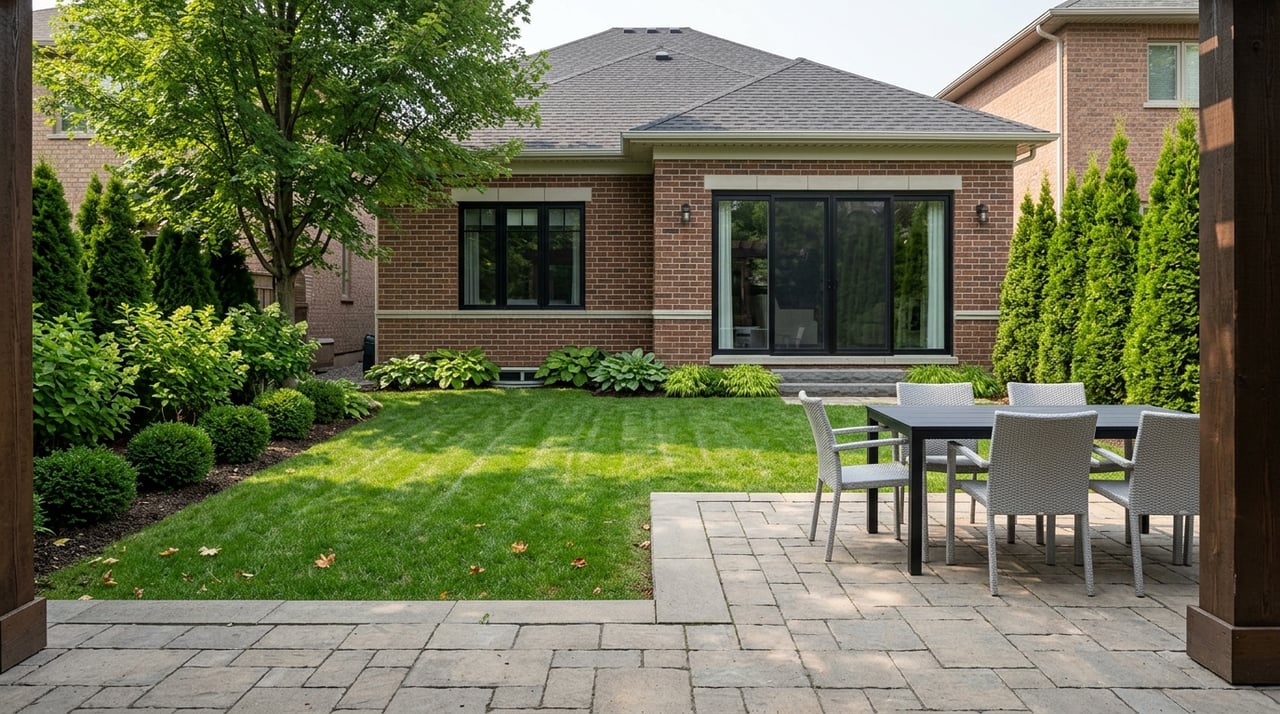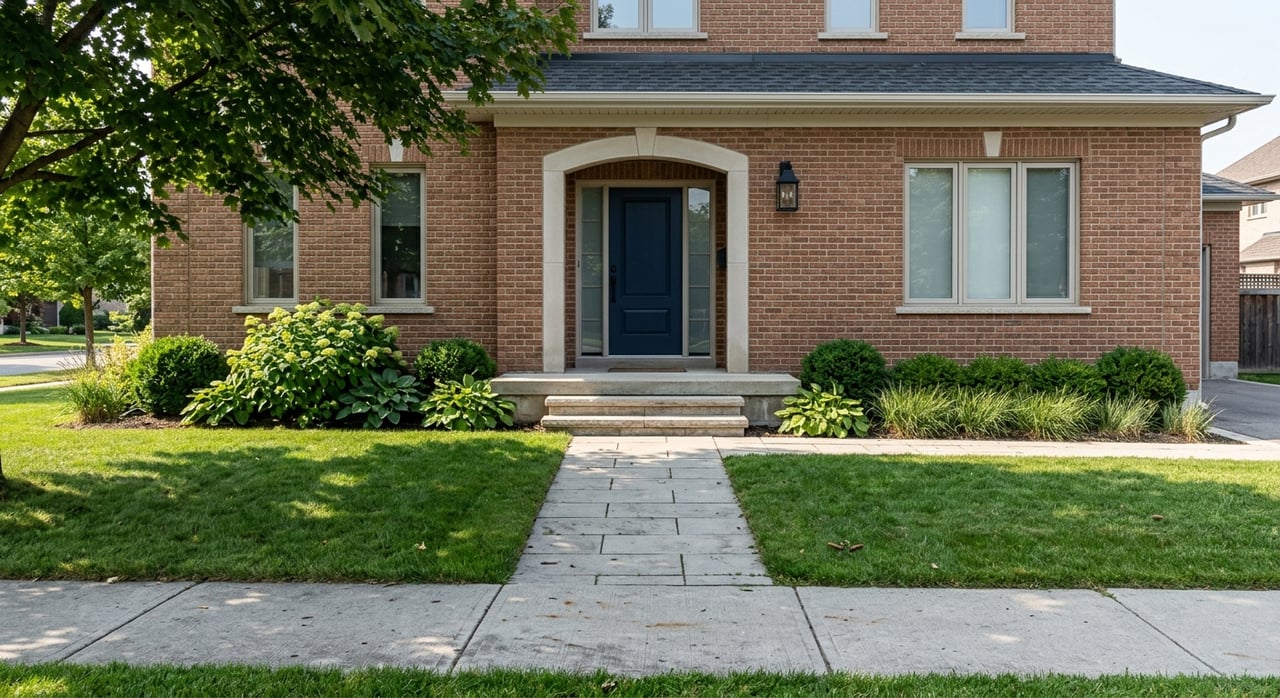
Trying to choose between a freehold house and a condo in Mississauga? You are not alone. This decision shapes your monthly costs, your day-to-day lifestyle, and how easy it might be to resell later. In this guide, you will get clear definitions, local context, cost comparisons, and a simple checklist to help you move forward with confidence. Let’s dive in.
Mississauga market at a glance
Mississauga offers both dense condo living and established freehold neighbourhoods. Condos concentrate around City Centre near Square One, along the Hurontario corridor, and by major GO stations where transit and amenities are close. Freehold homes are more common in areas like Lorne Park, Mineola, Clarkson, Streetsville and Erin Mills.
Transit is a major driver of new developments. The Hurontario LRT and regional transit planning have attracted builders and buyers to these corridors. To see how transit could affect your options and commute, explore the City’s planning pages and the Metrolinx project updates. You can start with the City of Mississauga’s planning hub and the Hurontario LRT information from Metrolinx.
If you are comparing purchase budgets, condos often provide a lower entry price than freehold homes in Mississauga. Price trends and inventory shift with interest rates and new supply. For current sales data and neighbourhood insights, check the latest market reports from the Toronto Regional Real Estate Board.
What freehold means
With freehold ownership, you own the home and the land beneath it. You control the property and take on all upkeep, from the roof and exterior to the driveway, fences and landscaping. You also pay municipal property taxes and carry a homeowner’s insurance policy for the full structure and your contents.
Freehold living appeals if you want outdoor space, flexibility for projects, and fewer rules. It also means planning for occasional bigger repairs, such as roofs, windows or driveways.
What a condo means
With a condominium, you own your unit and share ownership of the common elements, such as halls, amenities, exterior walls, roof and grounds. Condos can be high-rise, mid-rise, stacked or townhomes. A registered condominium corporation manages these shared areas, enforces bylaws, and collects monthly fees.
Ontario’s rules for condo corporations, boards, reserve funds and buyer protections are set by the province. You can review the framework under the Condominium Act, 1998 and buyer guidance from the Condominium Authority of Ontario.
One key document for any condo purchase is the status certificate. It summarizes the corporation’s financial health, rules, reserve fund, legal actions, and what your monthly fees cover. Always have your lawyer review it before making your offer firm.
Cost comparison
Upfront purchase price
In many cases, Mississauga condos have a lower purchase price than freehold houses. Exact prices depend on location, unit size, age, amenities and whether the home is new or resale. Freehold detached homes in established areas often command higher prices due to land value and limited supply.
Monthly and ongoing costs
- Freehold costs usually include mortgage principal and interest, property taxes, utilities, full homeowner’s insurance and all maintenance or capital repairs.
- Condo costs usually include mortgage principal and interest, property taxes, a condo unit insurance policy for your interior and contents, and monthly condo fees. Condo fees help pay for building insurance for the common elements, routine maintenance, on-site management, amenities, snow removal, landscaping and reserve fund contributions.
Condo fees vary by building age, size, and amenity level, and by whether utilities are included. Instead of relying on averages, ask for the current budget, a list of what fees include, and a history of increases. Also check for planned special assessments and the current reserve fund balance.
Insurance differences
- Freehold: Your policy covers the structure, attached and detached outbuildings, and contents. Premiums reflect property age, materials and claims history.
- Condo: The corporation insures the building and common elements. Your unit policy typically covers interior finishes, your belongings and any improvements. Many corporations also assign responsibility for part of the corporation’s deductible if damage starts in your unit, so confirm details in the bylaws and status certificate.
Taxes and closing costs
- Land transfer tax: Mississauga buyers pay the Ontario provincial land transfer tax. There is no separate municipal land transfer tax in Mississauga.
- Property tax: Both condos and freeholds are taxed based on municipal assessment and the local tax rate. Condos do not reduce or remove property tax.
- New construction: New condo purchases are subject to HST rules and potential builder adjustments. Ask your lawyer about HST rebates and development charges.
- Legal and title fees: Budget for a real estate lawyer and title insurance. A condo purchase also requires a status certificate review.
Financing and lender checks
Both condos and freeholds are mortgageable. Lenders use the same basic qualification rules for owner-occupied homes, but they may apply extra scrutiny to condo projects. A lender or mortgage insurer may review the building’s completion status, sales levels, litigation risk and reserve fund health. You can read about mortgage insurance and condo project eligibility through CMHC. Ask your lender to confirm that your chosen building meets their criteria before you rely on financing.
Maintenance, rules and lifestyle
Who handles repairs
- Freehold: You are responsible for everything on your property. That includes exterior repairs, landscaping, snow removal and compliance with local bylaws.
- Condo: The corporation handles common elements. You handle the interior of your unit. Specific responsibilities can vary, so confirm details in the condo declaration and rules.
Rules, pets and rentals
Condo communities have bylaws for noise, renovations, parking, pets and rentals. Some buildings restrict or require registration for rentals. This can help create predictable building standards but may limit your options. Always review the status certificate and rules to understand any limits that matter to you.
Board, meetings and reserves
Condo corporations are managed by a board of directors made up of unit owners. They hold meetings, disclose financials, and plan for long-term repairs through the reserve fund. Ontario requires periodic reserve fund studies so corporations can plan for big items like roofs and mechanical systems. You can learn more about reserve funds and owner rights from the Condominium Authority of Ontario.
Resale and long term value
Liquidity patterns
Condos near transit and amenities often appeal to first-time buyers and downsizers, which can support steady resale activity. In Mississauga, new condo supply along Hurontario and City Centre means more options, but also more competition within specific buildings or micro-markets. Freehold homes in established neighbourhoods often have tighter supply, which can support stronger pricing in certain segments.
For updated resale trends and segment performance, review the latest city and neighbourhood reports from TRREB.
Building-specific risk for condos
A condo’s resale strength depends on reputation, maintenance history, reserve fund health, litigation, and the mix of owner-occupiers and tenants. Buildings facing lawsuits or underfunded reserves can see fee increases or special assessments, which may affect values. Your lawyer’s review of the status certificate and recent meeting minutes is essential.
Freehold value drivers
Freehold appreciation is influenced by lot size, home condition, proximity to amenities, and neighbourhood desirability. In Mississauga, older low-rise homes in established areas often command premiums. Your due diligence should include recent sales, age of major systems, and any permits for renovations.
Buyer checklist
For any property
- Ask your agent for recent comparable sales and local market context.
- Schedule a professional home inspection, even for condos if you want a detailed review of the unit’s interior systems.
- Confirm property taxes, average utilities and the age or recent upgrades of major systems like HVAC, roof and windows.
- Map commute times and access to services and amenities that matter to you.
Condo specific
- Obtain the current status certificate and have your lawyer review it.
- Request the latest budget, financial statements and reserve fund study.
- Confirm what condo fees include, and review any recent or planned increases.
- Check bylaws for pets, renovations, parking, lockers and rental rules.
- Ask about any ongoing or threatened litigation involving the corporation.
Freehold specific
- Confirm lot boundaries, survey availability and zoning considerations.
- Review permits for any renovations and ask about warranties for recent exterior work.
- Inspect grading, drainage, roof, windows and the driveway for near-term costs.
Financing and documentation
- Secure a lender pre-approval to define your budget with current rates.
- For condos, confirm your lender is comfortable with the specific building.
- For new construction, review the purchase agreement for occupancy dates, interim occupancy fees, assignment clauses and HST treatment.
Newcomer supports and language
If you prefer to review documents or negotiations in Mandarin, request bilingual support early. You can also explore local newcomer resources such as the Peel Multicultural Council and regional guides on Settlement.org. For condo-specific education, the Condominium Authority of Ontario offers owner-friendly guides and dispute resolution information.
Which is right for you
- Choose freehold if you value full control, outdoor space and freedom to update the property, and you are comfortable budgeting for maintenance and larger capital repairs.
- Choose condo if you want a lower entry price in many cases, convenience near transit and amenities, and less exterior maintenance, and you are comfortable with monthly fees and building rules.
There is no one-size-fits-all choice. Align your decision with your budget, tolerance for maintenance, desire for flexibility, and the neighbourhoods that fit your day-to-day life. For planning your next step, review Mississauga’s neighbourhood plans on the City of Mississauga site and transit plans from Metrolinx, then pair that information with current market data from TRREB.
Ready to compare specific homes or buildings and see what your budget can buy today? Reach out to the Wang Team for bilingual, local-first guidance and a clear plan for your purchase in Mississauga or the west GTA.
FAQs
What does a condo status certificate include in Ontario?
- It summarizes the building’s financials, reserve fund balance, bylaws and any legal actions, and should be reviewed by your lawyer before firming an offer.
Are condo fees included in mortgage qualification?
- Lenders count condo fees as part of your monthly housing costs when qualifying you, so fees can affect how much you can borrow.
Is Mississauga’s land transfer tax the same as Toronto’s?
- Mississauga buyers pay only the Ontario provincial land transfer tax, not a separate municipal land transfer tax like the City of Toronto.
Can I rent out a Mississauga condo unit?
- It depends on the building’s bylaws and rules, so review the status certificate and confirm any rental restrictions or registration requirements.
What condo red flags should I watch for?
- Look for low reserve funds, pending litigation, repeated fee increases, deferred maintenance and high vacancy or a heavy investor share of units.