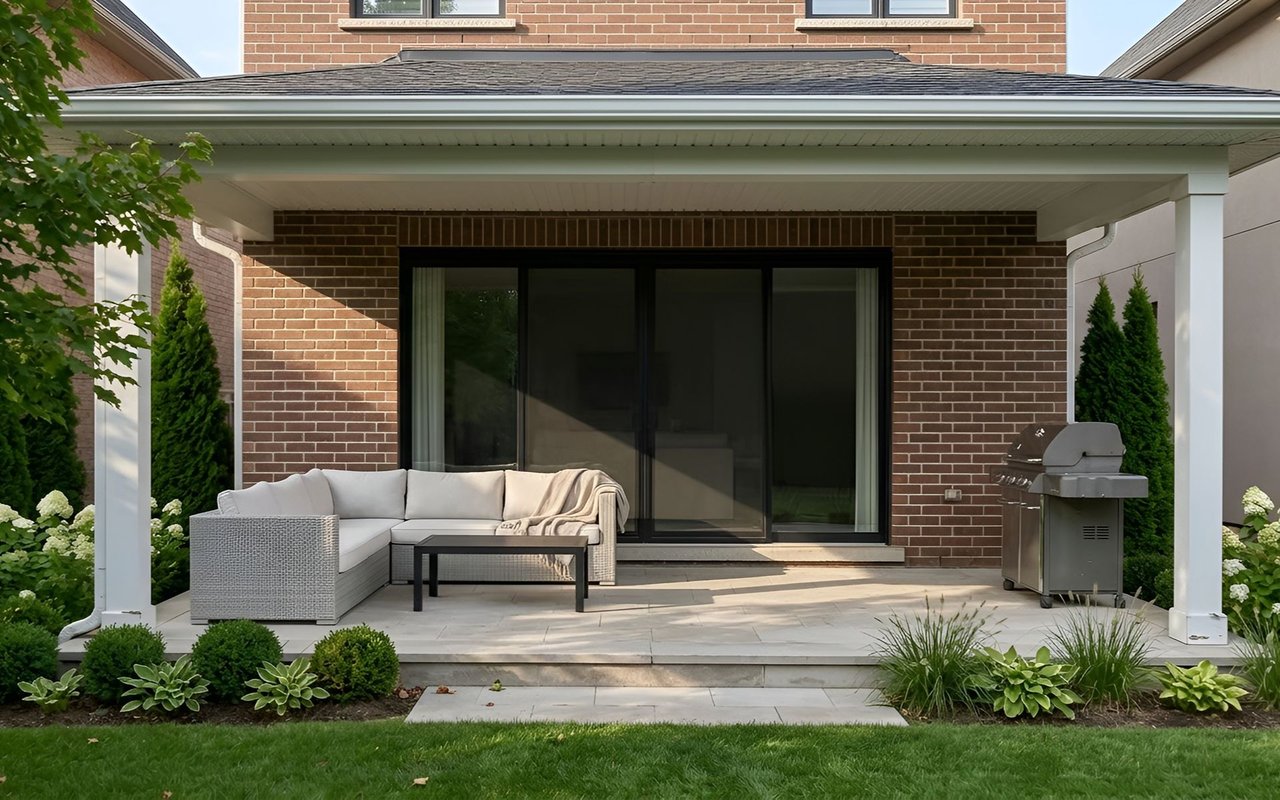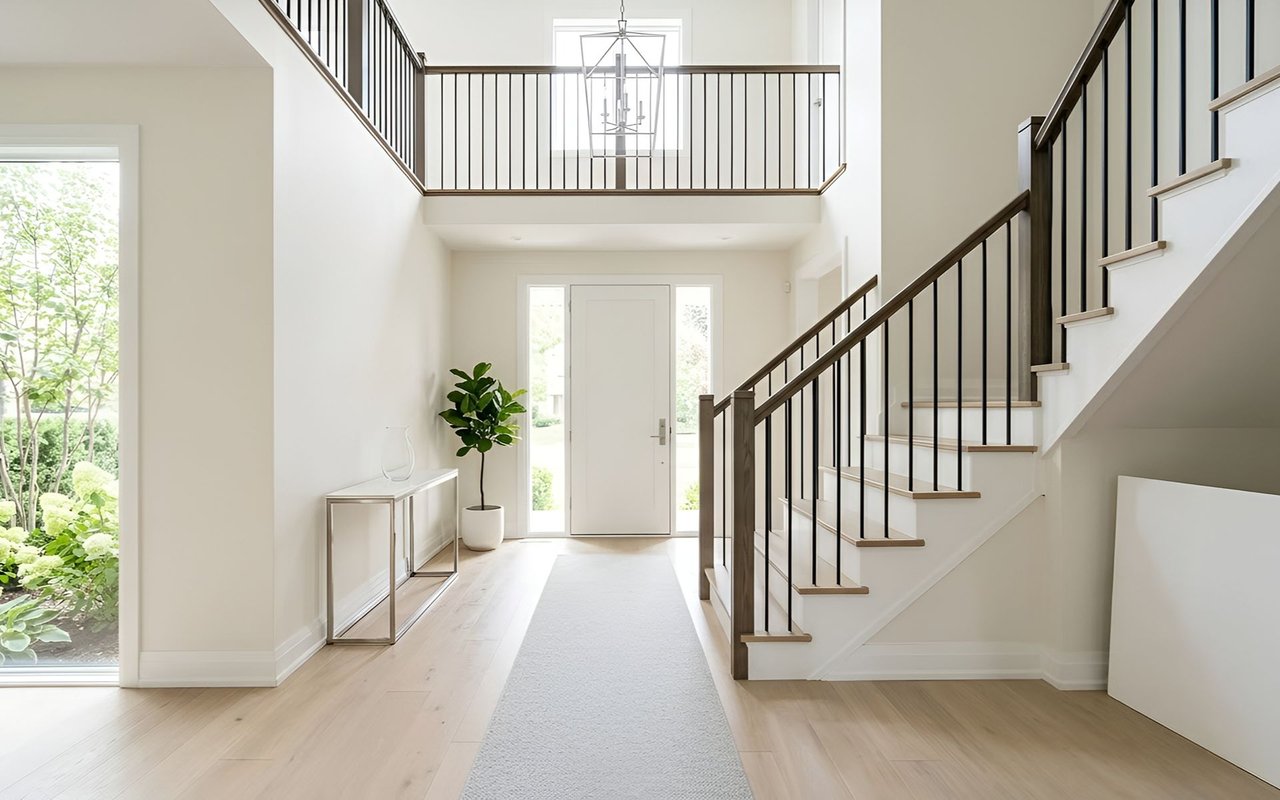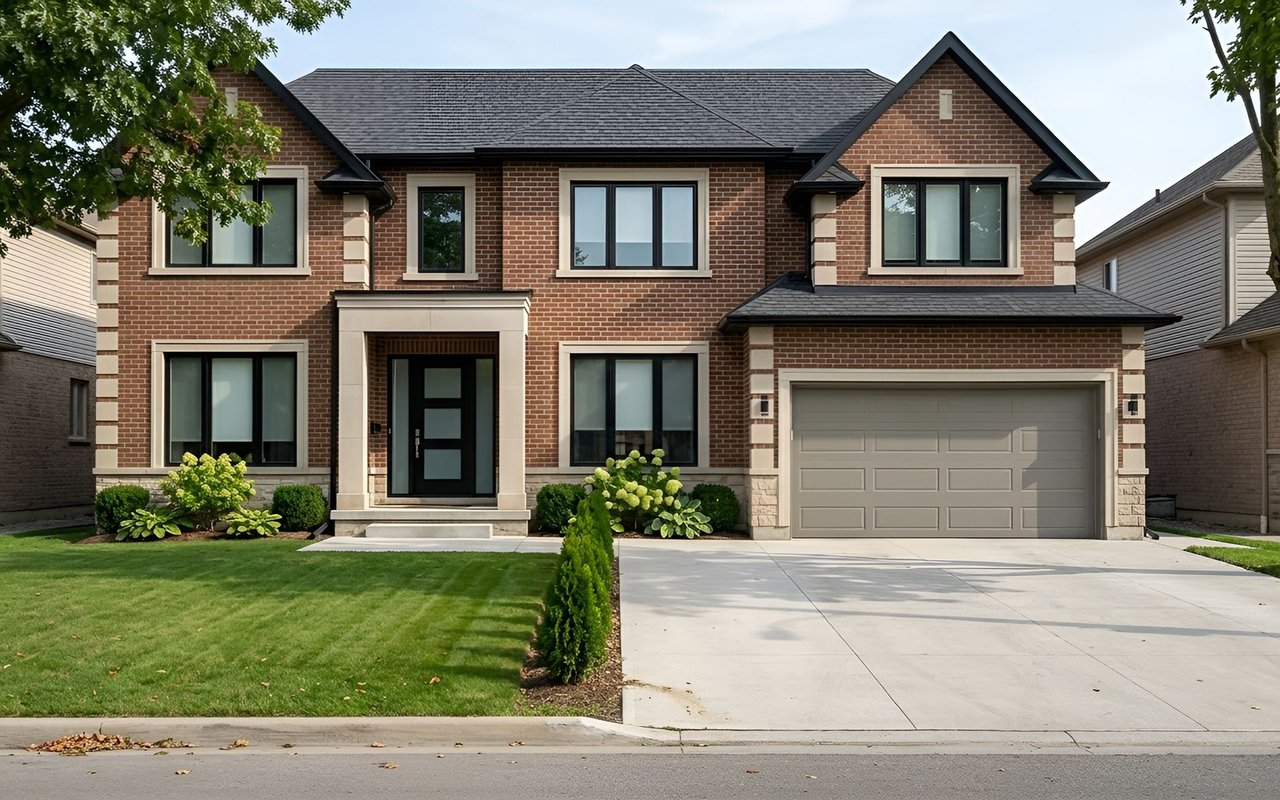
You love West Oak Trails and you’re ready for more space, but the idea of selling and buying in the same neighborhood can feel complicated. You might wonder how to time both deals, how much you can afford, and whether you should buy or sell first. In this guide, you’ll get a clear plan for moving up within West Oak Trails, including market context, financing options, staging tips, and ways to align both closings smoothly. Let’s dive in.
Why Stay in West Oak Trails
West Oak Trails gives you the community feel you want with parks, trails, and easy access to Oakville Trafalgar Memorial Hospital. Housing options include a strong mix of detached homes with a good supply of townhomes and some condos. If you like walkable green space, modern family layouts, and stable amenities, moving up here keeps your lifestyle consistent while adding the room you need.
2026 Oakville Market Snapshot
Oakville opened 2026 with more listings and steady buyer activity. According to the local board’s February report, the average single-family price in Oakville sat around $1.75 million and the townhouse and condo segment averaged about $822,000 in Oakville, with a Halton-wide townhouse and condo average near $772,000. A more balanced market means buyers often have more negotiating power than they did during earlier hot cycles. You can use this to your advantage when choosing between selling first, buying first, or making a conditional offer. For full context, see the OMDREB February 2026 Market Report.
At the neighborhood level, West Oak Trails averages are often below the Oakville-wide mean, but they shift with the mix of recent townhome and detached sales. Instead of guessing, ask for a current CMA so your pricing and timing reflect what is moving this month, not last season.
Map Your Move-Up Sequence
Sell First
Selling first means you list, accept an offer, and close on your current home before buying the next one. Your sale proceeds then become cash for the new down payment and closing costs. This path removes the risk of carrying two mortgages and can simplify mortgage qualification on the purchase.
- Pros: lowest financing risk, simpler cash flow, clear buying power at closing.
- Cons: you may need interim housing or a short rent-back agreement with your buyer.
- Best for: when you need the sale proceeds to comfortably qualify, or when you prefer financial certainty over speed.
Buy First With Bridge Financing
Buying first lets you secure the right property without moving twice. You fund the down payment and overlaps with short-term financing, then repay it when your sale closes. Bridge options include bank bridge loans, a HELOC or readvanceable mortgage, a second mortgage, or private bridge solutions.
- Pros: no temporary housing and you can act fast on the ideal home.
- Cons: you will carry two mortgages for a short time and pay higher short-term interest and fees. Lender underwriting can be stricter.
- Best for: when you have strong equity, a clear plan to sell, and room in your budget for short-term carrying costs.
For a consumer overview of bridge loans, review this guide to bridge financing in Canada.
Make a Subject-to-Sale Offer
With a subject-to-sale condition, your purchase only proceeds if your current home sells by a set date. This protects you from double carrying, but sellers often prefer unconditional offers.
- Pros: protects liquidity and avoids dual-mortgage risk.
- Cons: weaker in negotiations, and the seller may counter or decline.
- Best for: when market conditions are slower and the price or terms make your conditional offer attractive.
Bridge Financing 101
Short-term tools can cover your down payment and overlap period while you transition between homes:
- Bridge loan: a short-term, secured loan designed to be repaid from your sale proceeds. It usually runs up to about 90 days, can extend with some lenders, and costs more than a standard mortgage. Learn the basics of bridge loans and costs.
- HELOC or readvanceable mortgage: revolving credit secured by your current home that you draw as needed. The Financial Consumer Agency of Canada explains how HELOC limits and interest work in its borrowing against home equity guide.
- Second mortgage: a term loan on your current home that can be cheaper than some private bridge options but usually pricier than a first mortgage.
- Private bridge lenders: faster and flexible, but often higher interest and stricter penalties. Review terms carefully and get full fee disclosure. See an example of private bridge lending basics.
Practical tips:
- Always get a written quote that shows rate, fees, prepayment terms, and what happens if your sale is delayed.
- Build a budget that includes two mortgage payments for a short period so you are never rushing your sale.
Mortgage Rules That Shape Your Budget
Federally regulated lenders must apply the mortgage “stress test” to uninsured mortgages. You have to qualify at the higher of your contract rate plus two percentage points or the regulator’s floor. This can reduce the amount you qualify to borrow compared with a simple payment calculation, which makes your sale proceeds and down payment even more important in a move-up. Read the regulator’s summary of the Minimum Qualifying Rate.
Two more notes for planning:
- If you buy a condo or a freehold with monthly fees, lenders include those fees in your carrying-cost calculations. That can affect how much you qualify for.
- If you plan to use a HELOC for the down payment, make sure your pre-approval specifically accounts for that draw and the temporary debt service.
Prep to Maximize Your Sale Price
A clean, bright, well-staged home attracts more attention and can help you sell faster. Industry data shows staging helps buyers visualize the property and can improve outcomes. For background, review the National Association of Realtors’ summary that staging helps buyers visualize homes and can speed sales. While exact results vary by market, small upgrades and solid presentation usually pay off by reducing days on market and strengthening offers.
Focus your efforts on high-impact rooms:
- Living and family rooms with clear furniture layouts and fresh lighting.
- Kitchen counters that are decluttered with a simple, neutral style.
- Primary bedroom with light bedding and calm, neutral tones.
- A flexible space that reads as an office or study.
Staging budgets vary by size and scope. Expect a few thousand dollars for smaller homes and more for larger, fully staged detached properties. Ask for quotes early so you can choose the right level of service for your goals and timeline.
Align Both Deals With Smart Terms
Coordinating two transactions takes a few key clauses and good communication between your lawyers and agents:
- Closing and possession dates: match these dates across both deals as closely as possible and document all timing carefully in the Agreement of Purchase and Sale. Small shifts can create large logistics issues if they are not written into the contract.
- Post-closing occupancy or rent-back: your buyer may agree to let you stay for a short period after closing under a written occupancy agreement. It should cover daily rent, insurance, utilities, access, and a clear move-out date. For a general overview of how post-closing occupancy works, see this consumer explainer on occupancy agreements.
- Subject-to-sale condition: if you use it, keep the window short and consider stronger price or deposit terms to offset the condition.
- Deposits and trust handling: in Ontario, deposits are normally held in a brokerage trust account under the instructions in the Agreement of Purchase and Sale. The Real Estate Council of Ontario regulates trust handling and posts consumer bulletins. Learn more about RECO trust account guidance.
Sample Timelines You Can Follow
Here are three practical outlines you can adapt to your dates.
Scenario A: Sell First, Then Rent Back
- Weeks 0 to 6: market prep, staging, photos, and listing launch.
- Accept offer and negotiate a short rent-back if you need extra time before your purchase closes.
- Close the sale, remain under the occupancy agreement, then move into your new home when it closes.
Scenario B: Buy First With Bridge Financing
- Get pre-approved and collect bridge or HELOC quotes. Confirm your maximum comfortable combined carrying cost.
- Secure your new home and set a closing window that gives you time to sell.
- List your current home quickly and repay the bridge when your sale closes.
Scenario C: Subject-to-Sale Purchase
- Make a conditional offer with a short, clearly defined period and deposit schedule.
- Launch your listing fast and work to satisfy the condition within the window.
- If your property does not sell in time, you can usually walk away under the condition terms.
How Wang Team Supports Your Move-Up
You deserve a plan that is clear, calm, and tailored to West Oak Trails. Here is how we help you move up with confidence:
- Pricing and prep plan: data-driven valuation, staging recommendations, and a marketing plan designed for the Oakville buyer pool.
- Purchase strategy: targeted home search with alerts for in-neighborhood opportunities and guidance on offer structure.
- Financing coordination: we work alongside your lender so your pre-approval, bridge strategy, and timelines line up.
- Negotiation and timing: aligned closing and possession dates, with contingency and rent-back options ready.
- Bilingual support: service in English and Mandarin so every step is understood and documented clearly.
If you are considering a move-up within West Oak Trails, let’s map your sequence, budget, and timeline in one short planning call. Start with a free home valuation or set up a focused search with the Wang Team.
FAQs
Should I Sell or Buy First in West Oak Trails in 2026?
- In a balanced market with more listings and steadier activity, many move-up owners compare sell-first for lower risk against buy-first with bridge financing for convenience; the best path depends on your equity, cash flow, and the availability of homes that fit your needs.
What Is Bridge Financing and How Long Does It Last?
- Bridge financing is a short-term loan that covers your down payment or overlap until your current home sells, and it commonly runs up to about 90 days with higher interest and fees than a standard mortgage; learn basics from this bridge financing overview.
How Does the Mortgage Stress Test Affect My Move-Up Budget?
- Lenders must qualify you at the higher of your contract rate plus 2 percent or a regulator floor, which reduces your qualifying amount compared with a simple rate calculation; see OSFI’s Minimum Qualifying Rate summary.
Can I Stay in My Home After I Sell It?
- Yes, if your buyer agrees to a short post-closing occupancy or rent-back with written terms that set the daily rent, insurance, utilities, access, and move-out date; review a plain-language occupancy agreement overview.
What Staging Gives the Best Return for a West Oak Trails Sale?
- Focus on living and family rooms, the kitchen, and the primary bedroom, since industry research indicates staging helps buyers visualize the space and can speed sales; see this summary of staging benefits.
How Are Deposits Handled in Ontario When I Buy and Sell?
- Deposits are held in a brokerage trust account under the Agreement of Purchase and Sale instructions, and the Real Estate Council of Ontario regulates trust handling and provides consumer guidance; read RECO’s trust account information.