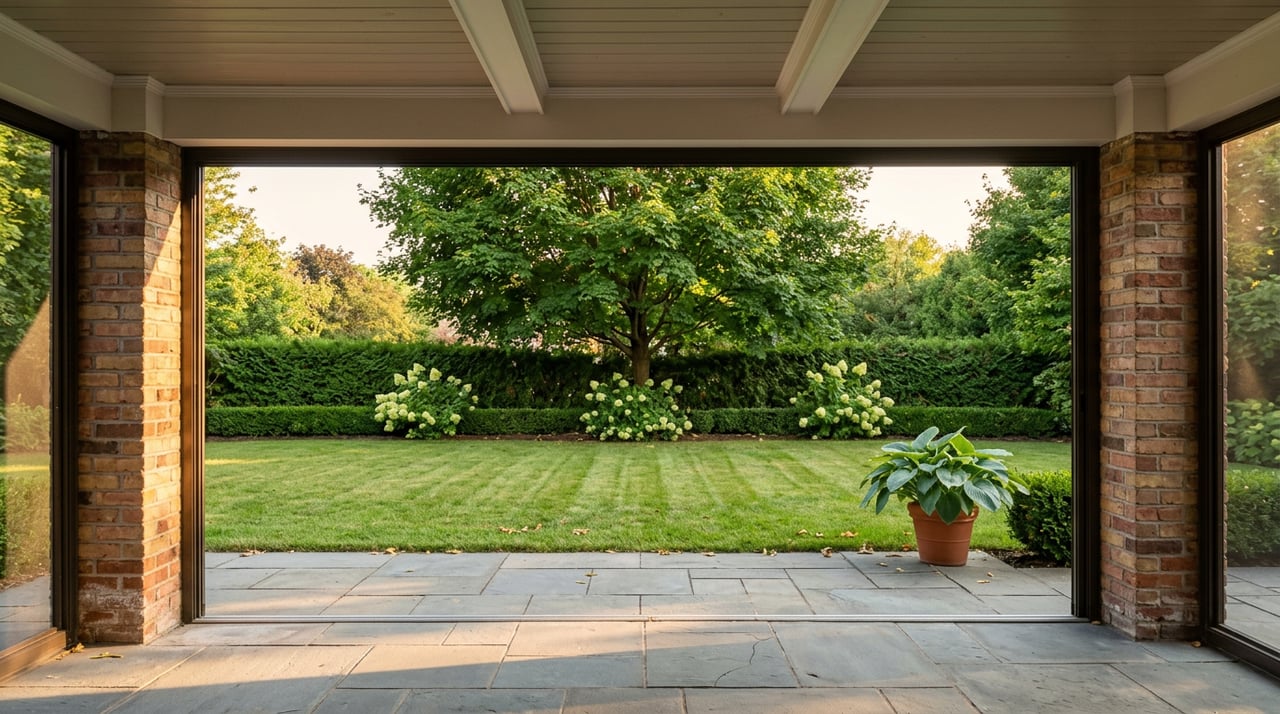
Thinking about renting out your Glen Abbey home or creating income from a basement suite? You are not alone. Many Oakville homeowners are looking for practical ways to offset carrying costs, support long-term investment plans, or make better use of extra space. The key is doing it the right way, with realistic pricing, a legal setup, and a clear screening process. Let’s dive in.
Glen Abbey Rental Market Basics
If you are planning to lease out a property in Glen Abbey, it helps to start with a local benchmark. Oakville’s 2025 Housing Needs Assessment, using CMHC data, reports a 2024 average market rent of $2,116 in Oakville, with $2,297 for 3+ bedroom units. You can review that in Oakville’s Housing Needs Assessment.
That said, Glen Abbey often sits above those averages for larger homes. The local rental mix includes many detached houses and self-contained lower-level suites, so asking rents can look quite different from the broader Oakville average.
Typical Rents for Detached Homes
Current Glen Abbey listings suggest that detached or whole-home rentals often ask around $4,500 to $6,500+ per month, with some luxury properties priced even higher. Active listings have included executive homes at $6,500 and high-end detached homes at $8,500, based on current Glen Abbey rental listings.
These are asking rents, not closed lease prices. That means they are best used as a directional guide when you are deciding how to position your own property.
Typical Rents for Basement Suites
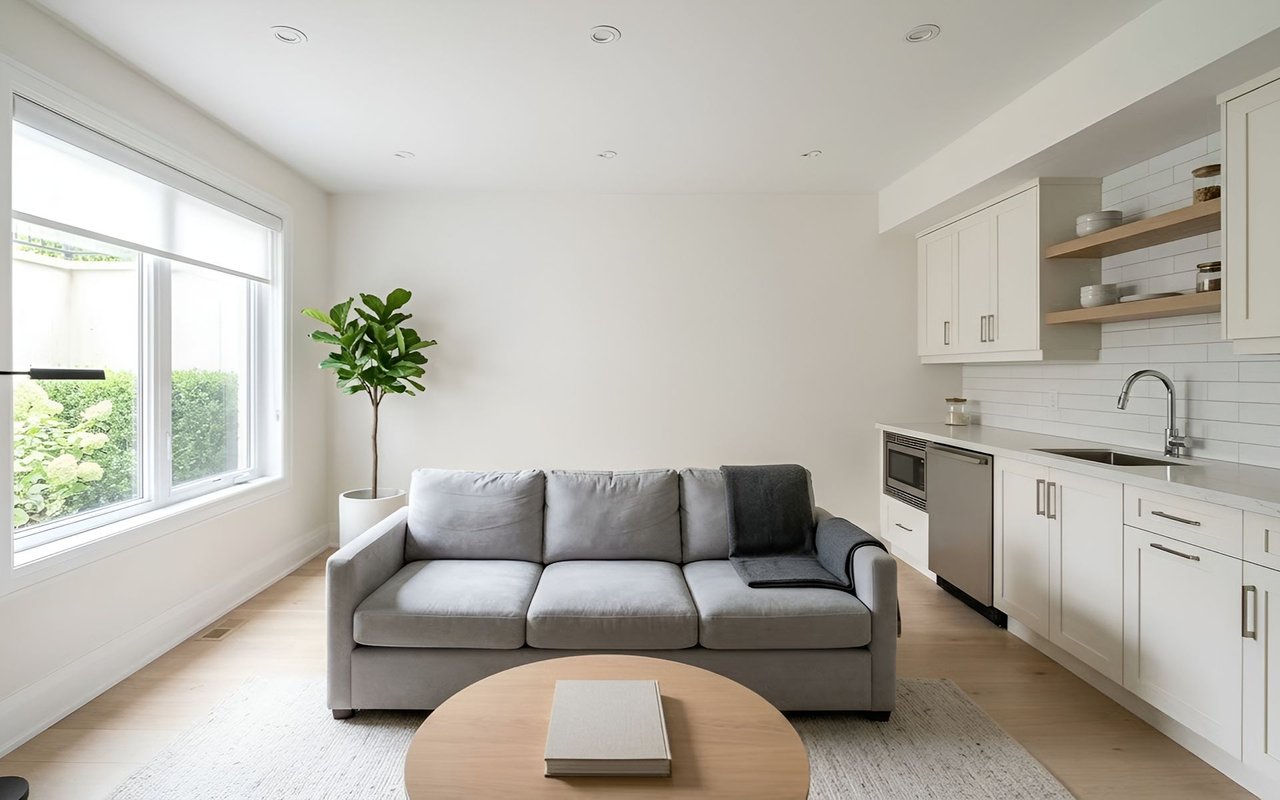
For self-contained basement suites in Glen Abbey, current listings suggest a common range of about $1,999 to $2,350 per month for 2-bedroom units. Examples include suites with separate entrances, parking, and newer finishes, as seen in recent local listings.
This makes basement suites a more affordable entry point for tenants while still offering meaningful monthly income for homeowners. In many cases, utility sharing or utility split arrangements also appear in listing details, so that is something you will want to plan clearly from the start.
What Renters Often Look For
In Glen Abbey, listing descriptions tend to highlight a similar set of features. While this is based on active listing language rather than a formal tenant survey, it gives you a useful picture of what renters notice most.
Features That Help Your Rental Stand Out
Common highlights in current listings include:
- Separate entrance.
- Bright windows and good natural light.
- In-suite laundry.
- Parking.
- Access to parks, trails, shopping, transit, and major roads.
You can see these themes reflected in current Glen Abbey rental marketing. If you are preparing your property for lease, these are the details worth showcasing in photos, listing copy, and showings.
Confirm the Suite Is Legal
Before you advertise a basement unit, make sure it is properly permitted. This is one of the most important steps if you are creating a new suite or renovating an existing lower level into a self-contained rental.
According to the Town of Oakville, an accessory apartment needs a bedroom, kitchen, living area, washroom, and access to laundry facilities. Oakville also notes that zoning approval and a separate zoning certificate of occupancy are part of the process, and that starting work without the required permit is illegal. You can review the Town’s rules on accessory apartments and permit requirements.
Why Legal Setup Matters
A legal suite can help you:
- Reduce risk during leasing.
- Improve marketability to tenants.
- Avoid issues tied to unpermitted construction.
- Create a more predictable long-term rental asset.
If you are unsure whether your existing space meets current requirements, it is smart to verify that before setting a rent or marketing the unit.
Use the Right Ontario Lease Rules
Once your property is ready, the next step is making sure the tenancy is set up correctly under Ontario rules. For most private residential rentals, landlords must use Ontario’s standard lease and provide a copy within 21 days after signing, according to the province’s Renting in Ontario guide.
There is one important distinction for homeowners to understand. The Residential Tenancies Act generally does not apply if the renter must share a kitchen or bathroom with you or your family. That means a room rental inside your home can be treated differently from a self-contained basement suite.
Deposit Rules to Follow
Ontario is very specific about what deposits are allowed. Based on the province’s standard lease guide:
- You can collect last month’s rent deposit.
- You can collect a refundable key deposit.
- You cannot charge a pet deposit.
- You cannot charge a damage deposit.
The rent deposit cannot be more than one month’s rent or one rental period. It must be used only for the last rental period, and it earns annual interest.
Rent Increase Rules to Know
For most rental units, rent can be increased only once every 12 months and only with at least 90 days’ written notice using the correct form. Ontario has set the 2026 rent increase guideline at 2.1%, as noted in the province’s renting rules overview.
Some newer units may be exempt from the guideline cap if they were not occupied for residential purposes on or before November 15, 2018. Even in those cases, the annual timing and notice rules still apply. This can be especially relevant for newly created Glen Abbey suites or newer homes.
Screen Tenants Lawfully and Consistently
Tenant screening matters, but so does how you do it. In Ontario, the Human Rights Code applies to rental housing, including houses, condos, and basement apartments.
The Ontario Human Rights Commission explains that landlords may use tools such as rental history, credit references, credit checks, income information, and guarantors, but these must be used together in a bona fide and consistent way. You can review those rules in the Commission’s policy on human rights and rental housing.
What You Can Focus On
A fair and practical screening process should center on:
- Ability to pay rent.
- Rental history.
- Credit references or credit checks.
- Overall tenancy reliability.
- Guarantor information, when appropriate.
The same policy also notes that a lack of rental history or credit history should not be treated negatively by itself. It also says that a strict 30% rent-to-income cutoff is not permitted for regular market rentals.
What Not to Base Decisions On
Screening must not rely on protected personal characteristics. The safest approach is to ask only for information that relates directly to payment reliability and tenancy performance, not personal traits or household status.
That kind of consistency helps reduce risk and creates a more professional leasing process.
Set Realistic Expectations for Your Property
Not every Glen Abbey rental should be priced at the top of the market. Detached homes with size, updated finishes, and strong overall presentation may attract premium asking rents. Basement suites with separate entrances, laundry access, and parking can also perform well, but pricing still needs to reflect the unit’s condition, privacy, and layout.
If you price too high, you may sit on the market longer and invite weaker applications. If you price too low, you may leave money on the table. The best approach is to compare your property against similar active listings, then factor in legal status, finish quality, utility setup, and how the space shows in person.
A Simple Glen Abbey Landlord Checklist
Before you list your home or suite, make sure you have covered the basics:
- Confirm the rental unit is legally permitted, if applicable.
- Decide whether you are leasing the whole home, a self-contained suite, or a shared-space arrangement.
- Research current Glen Abbey asking rents for similar properties.
- Prepare clear terms for rent, parking, utilities, and occupancy date.
- Use Ontario’s standard lease where required.
- Follow Ontario rules for deposits and rent increases.
- Apply the same lawful screening process to every applicant.
A little planning upfront can save you time, reduce stress, and help you attract better-qualified tenants.
Why Local Leasing Guidance Helps
Renting out a Glen Abbey property is not just about putting up a listing and waiting for applications. You need to balance pricing, presentation, legal setup, and tenant selection. That is especially true if you are deciding between leasing a full detached home or generating income from a basement suite.
If you want help understanding where your property fits in the local rental market, Wang Team can help you navigate the next step with practical Oakville insight and hands-on leasing support.
FAQs
What Rent Can You Expect for a Glen Abbey Detached Home?
- Current asking rents for Glen Abbey detached homes often fall around $4,500 to $6,500+ per month, with some luxury homes asking more.
What Rent Can You Expect for a Glen Abbey Basement Suite?
- Current asking rents for 2-bedroom basement suites in Glen Abbey are commonly around $1,999 to $2,350 per month, depending on features and setup.
What makes a Glen Abbey basement suite legal in Oakville?
- Oakville says an accessory apartment needs a bedroom, kitchen, living area, washroom, and access to laundry facilities, along with zoning approval and a separate zoning certificate of occupancy.
What Lease Form Is Required for Most Ontario Rentals?
- Most private residential rentals in Ontario must use the standard lease, and landlords must provide a copy within 21 days after signing.
What Deposits Can a Glen Abbey Landlord Collect in Ontario?
- Ontario generally allows only a last month’s rent deposit and a refundable key deposit. Pet and damage deposits are not allowed.
What Should Glen Abbey Landlords Use to Screen Tenants?
- Landlords should use lawful, consistent screening criteria such as rental history, credit references, credit checks, income information, and guarantors when appropriate.
What Should Glen Abbey Landlords Avoid When Screening Tenants?
- Landlords should avoid making decisions based on protected personal characteristics and should focus only on tenancy-related factors like ability to pay and rental reliability.