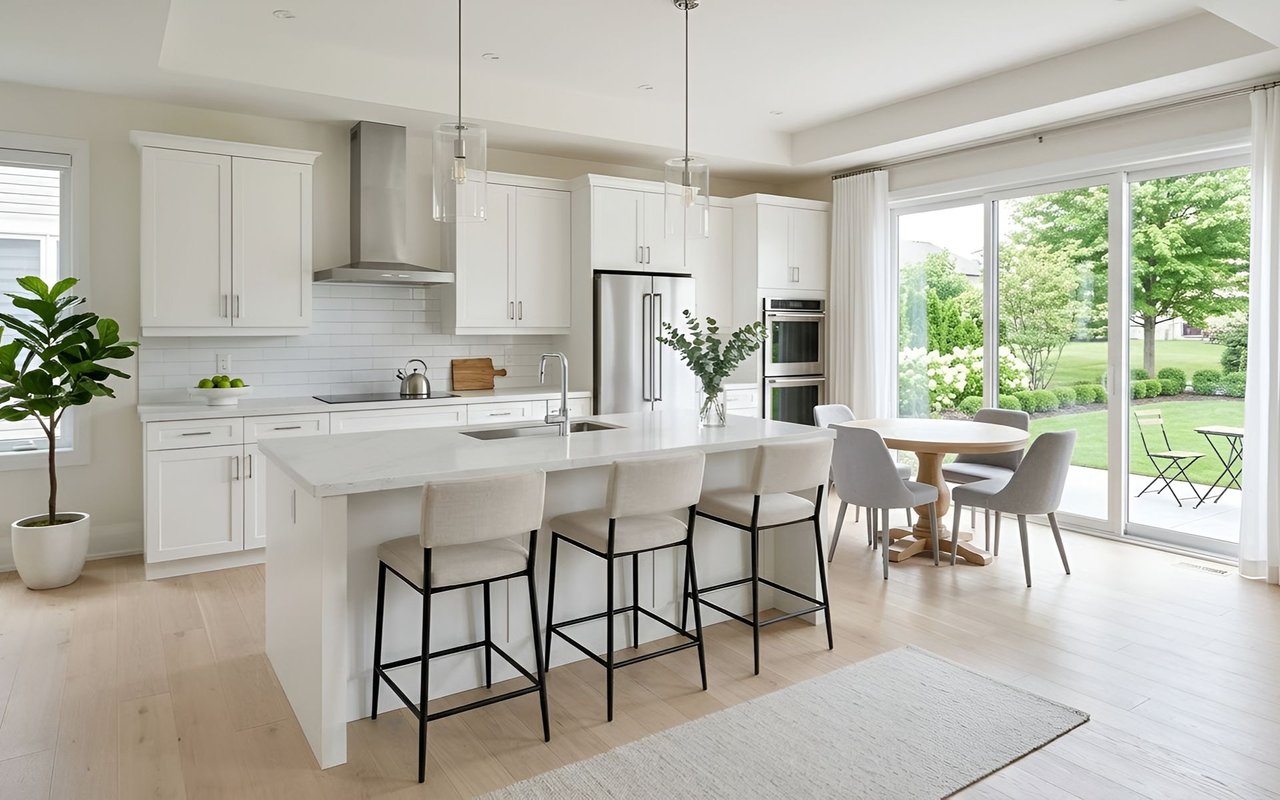
If you are getting ready to sell an executive home in Glen Abbey, presentation matters more than ever. Buyers in Oakville are often paying for location, condition, and lifestyle all at once, and in a selective market, they notice the details. The good news is that you do not need to over-renovate to make a strong impression. With the right prep plan, you can highlight what today’s buyers value most and bring your home to market with confidence. Let’s dive in.
Why Glen Abbey Buyers Expect More
Glen Abbey offers a setting that many buyers already know and actively seek out. The area is closely tied to Oakville’s heritage-sensitive planning context, with established residential streets, parkland, and the Glen Abbey Golf Club shaping how the neighbourhood is experienced.
That setting also comes with strong everyday amenities nearby, including Glen Abbey Community Centre, the Glen Abbey branch of the Oakville Public Library, and Taplow Creek Trail. Nearby school examples include Pilgrim Wood Public School and Abbey Park High School. For many buyers, that means your home is not being judged in isolation. It is being compared as part of a complete lifestyle package.
Oakville’s 2026 Community Satisfaction Survey adds more context. The Town reported that 82% of respondents said Oakville is a better place to live than most of the GTA, while 90% were satisfied with town services. Parks, green spaces, and library services ranked highly, which reinforces why Glen Abbey homes often attract buyers looking for a polished, move-in-ready experience.
At the same time, buyers are price-conscious. In OMDREB’s March 2026 market report, Oakville’s single-family average price was $1.80 million, the Halton single-family average was $1,430,908, and single-family homes averaged 32 days on market. The same report showed that 82.9% of single-family homes sold below asking, which tells you buyers are comparing options carefully.
Focus on Broad Appeal First
When sellers prepare an executive home, it can be tempting to think about major upgrades. In most cases, broad appeal matters more than highly personal improvements. CREA recommends focusing on clean walls, neutral light colours, and repairs that help the whole home feel cared for.
That advice is especially relevant in Glen Abbey. Buyers here are often looking for a home that feels polished from top to bottom, not just updated in one or two standout rooms. A beautiful kitchen will help, but it will not fully offset worn trim, dated paint, or deferred maintenance elsewhere.
A smart prep strategy usually starts with three questions:
- Does the home feel well maintained?
- Does the style appeal to a wide range of buyers?
- Does the condition match the price point buyers expect in Glen Abbey?
If you can answer yes to all three, you are on the right track.
Improve Curb Appeal Before Buyers Walk In
Your exterior sets the tone long before a showing begins. Buyers see the front of the home in online photos, from the street, and during every in-person visit. If the outside feels tired, many will assume the inside has similar issues.
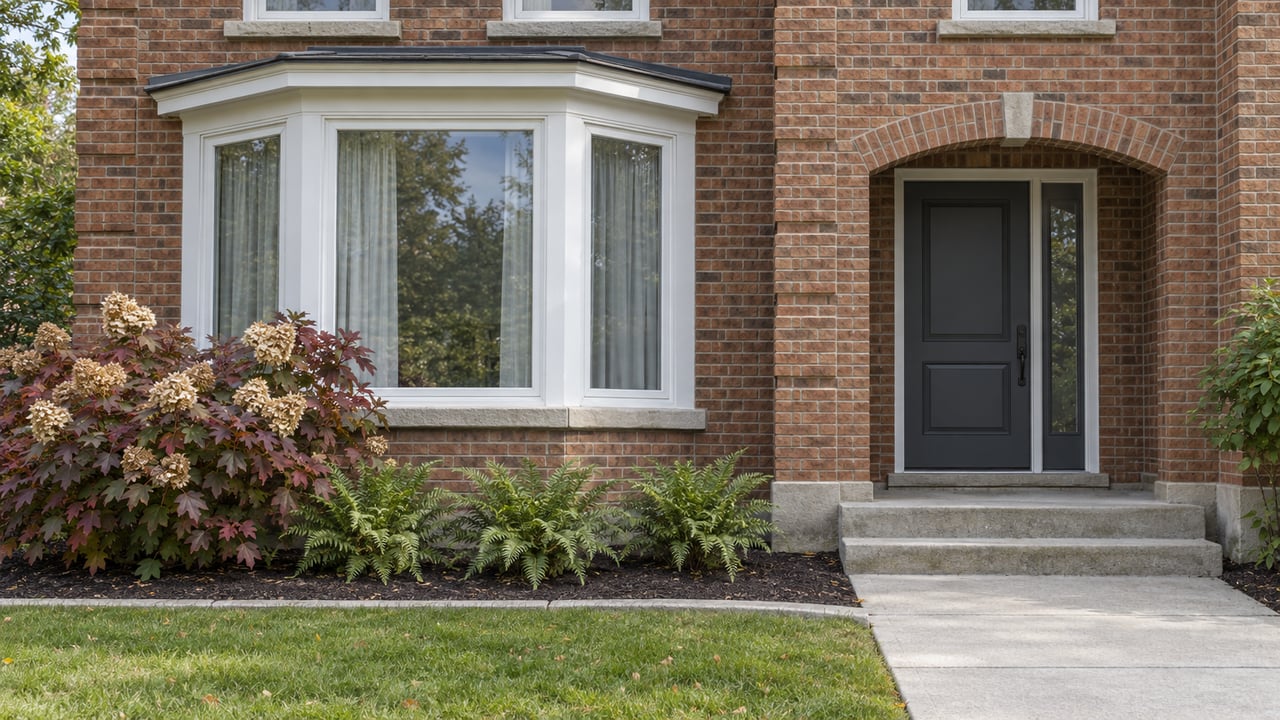
CREA recommends manicured lawns and gardens, attention to the driveway, walkway, and porch, plus simple updates like refreshing the front door with paint or hardware. These are not flashy projects, but they can make your home feel better cared for right away.
In Glen Abbey, curb appeal should also fit the mature streetscape. Homes that complement the surrounding setting often feel more appealing than homes with very customized exterior choices. You want buyers to notice a clean, elegant home that feels at home in the neighbourhood.
Exterior Updates Worth Prioritizing
- Repair peeling paint or damaged trim.
- Refresh the front door and entry hardware.
- Power wash walkways, steps, and driveway areas as needed.
- Tidy garden beds and keep the lawn trimmed.
- Check porch lighting and replace dated or non-working fixtures.
- Make sure house numbers and the front entry feel clean and current.
Exterior Mistakes to Avoid
- Spending heavily on niche design features.
- Ignoring worn steps, cracked walkways, or tired hardware.
- Leaving seasonal clutter or neglected landscaping in place.
- Forgetting that exterior photos influence first impressions online.
Stage the Rooms Buyers Care About Most
Inside the home, buyers want to picture their own life in the space. According to the 2025 Profile of Home Staging from NAR, 83% of buyers’ agents said staging made it easier for buyers to visualize a property as a future home. The same report found the most important rooms to stage were the living room, primary bedroom, and kitchen.
That gives you a clear starting point. If you are deciding where to spend time and energy first, focus there. These spaces do a lot of the emotional work during both photos and showings.
CREA also recommends removing clutter, keeping walls clean and fresh, and using neutral light colours. Furniture, decor, and window coverings should support resale presentation rather than reflect highly personal taste.
A Practical Staging Checklist
- Depersonalize main rooms.
- Remove excess furniture to improve flow.
- Clear kitchen and bathroom counters.
- Simplify window coverings to let in more light.
- Store away hobby items, collections, and personal photos.
- Use the living room, primary bedroom, and kitchen as priority spaces.
If your home is occupied, strong day-to-day presentation matters too. CREA notes that clean, tidy homes with no unpleasant smells show better, and easy access can make a difference when buyers want to book quickly.
Make Your Home Photo-Ready
A large share of buyers will first meet your home online. That means photography is not a finishing touch. It is part of the selling strategy.
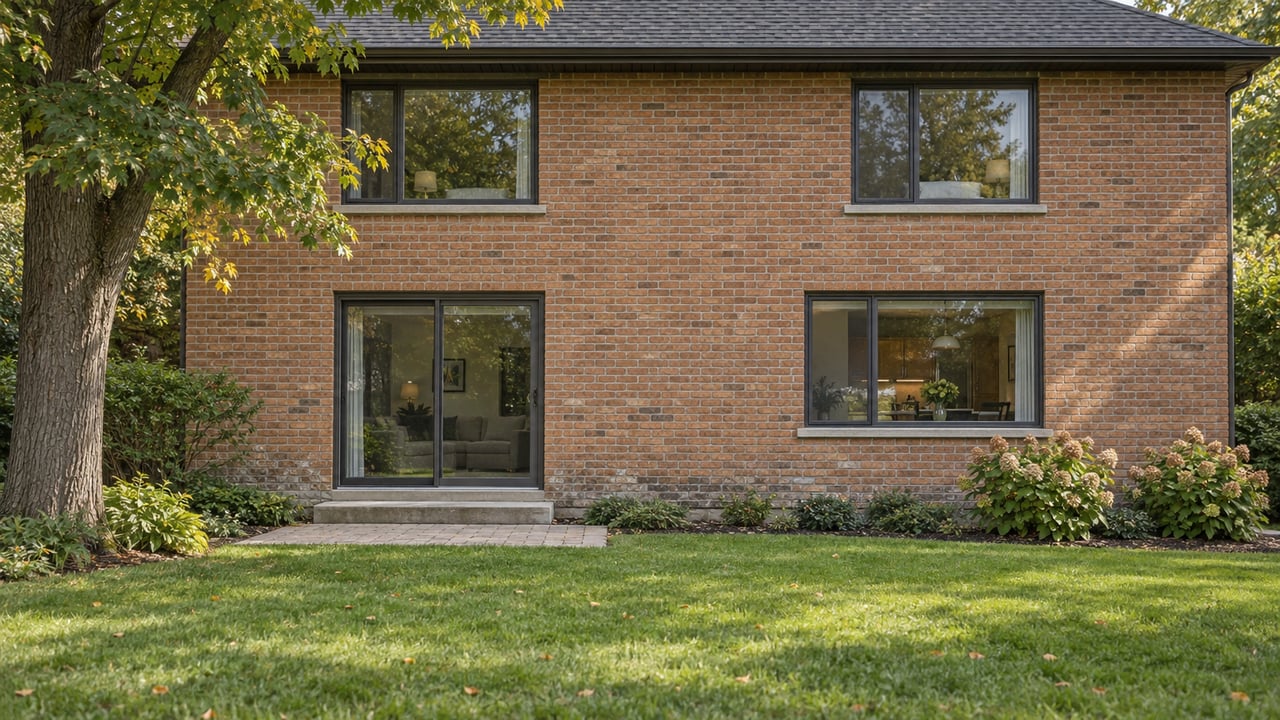
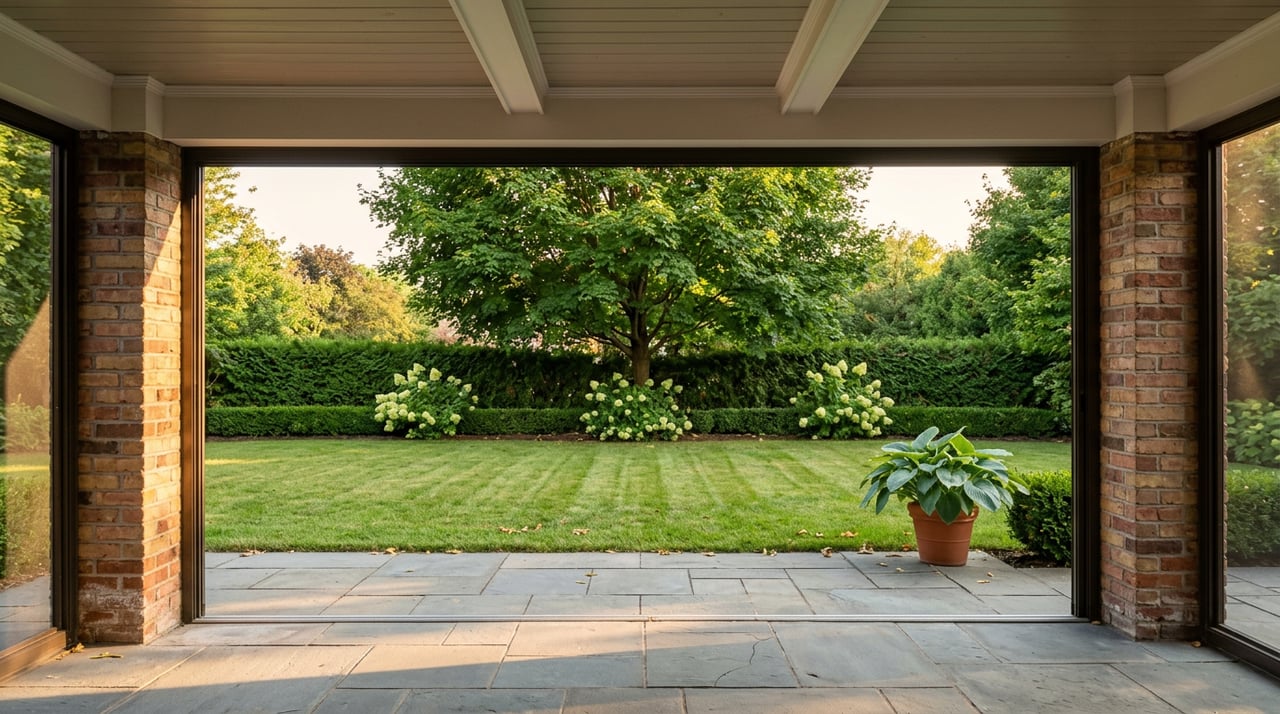
CREA’s photography guidance says photos remain the most-clicked content on REALTOR.ca. It recommends daytime shooting, highlighting major selling points, including curb and backyard views, and avoiding distortion-heavy or overly processed images.
In higher-price segments, polished visuals are especially important. Buyers expect bright, realistic images that show scale, condition, and natural light. If the online gallery feels dark, cluttered, or inconsistent with the in-person experience, interest can drop quickly.
Before Photography Day
- Open window coverings to maximize daylight.
- Replace burnt-out bulbs and match light temperatures where possible.
- Remove countertop appliances and everyday clutter.
- Hide pet items, bins, cords, and floor mats where appropriate.
- Make beds neatly and keep towels simple and fresh.
- Ensure backyard and front entry areas are equally camera-ready.
If the home is empty, virtual staging can be a useful fallback. CREA notes that it can help when live staging is not possible, but the look should stay realistic.
Use a Pre-Listing Inspection Strategically
One of the best ways to reduce surprises is to understand the home’s condition before buyers start asking questions. Ontario’s consumer guide explains that a home inspection is a visual review of major systems, including the foundation, roof, exterior walls, plumbing and electrical systems, heating and cooling, insulation, ventilation, and drainage.
Some sellers choose to do this before listing, and that can be especially helpful in a more selective market. For an executive home in Glen Abbey, the most valuable pre-list checks are often the roof and attic, drainage and grading, windows and doors, moisture concerns, and mechanical systems.
This does not mean you need to fix every minor issue. It means you can make informed decisions early, price more confidently, and avoid last-minute stress when a buyer’s inspection brings up concerns you could have addressed in advance.
Follow a Realistic Prep Timeline
The smoothest listings usually do not come together in a weekend. A phased timeline helps you focus on the right tasks in the right order.
6 to 8 Weeks Before Listing
- Order a pre-list inspection if it fits your strategy.
- Gather repair quotes.
- Identify any roof, drainage, window, moisture, or mechanical concerns.
4 to 6 Weeks Before Listing
- Complete visible repairs.
- Paint where needed using clean, neutral tones.
- Tackle exterior touch-ups and front entry improvements.
2 to 3 Weeks Before Listing
- Declutter and depersonalize.
- Stage priority rooms first.
- Edit furniture and simplify decor.
1 Week Before Listing
- Deep clean the whole home.
- Set lighting for a bright, consistent feel.
- Remove pet evidence.
- Book photography once the home is fully ready.
Launch Week
- Keep the home easy to show.
- Maintain the same clean presentation every day.
- Make sure the in-person experience matches the online photos.
Avoid the Prep Mistakes That Cost Momentum
Many sellers lose momentum by fixing the wrong things or waiting too long on the right ones. CREA cautions that major renovations are not guaranteed return-on-investment projects, especially if they narrow the buyer pool.
The more common problem is simple: obvious maintenance gets ignored while money goes into cosmetic choices that may not matter as much. In today’s market, buyers tend to notice peeling paint, tired walkways, cluttered rooms, poor lighting, and signs of deferred upkeep very quickly.
Another issue is accessibility. If a home is difficult to show, or if occupied rooms feel crowded and overly personal, buyers may struggle to connect with the property. Smooth access and consistent presentation can be just as important as the upgrades themselves.
The Goal: Move-in-Ready and Easy to Love
Preparing a Glen Abbey executive home for today’s buyers is really about reducing friction. You want buyers to see the value in the location, appreciate the condition of the home, and imagine an easy move rather than a long to-do list.
That usually means choosing smart repairs over flashy projects, neutral presentation over personal style, and a full-home polish over isolated updates. In a neighbourhood where buyers expect quality, those choices can help your listing stand out for the right reasons.
If you are thinking about selling in Glen Abbey, the Wang Team can help you build a practical prep plan, understand local buyer expectations, and bring your home to market with confidence.
FAQs
What Do Buyers Expect From a Glen Abbey Executive Home?
- Buyers often expect a combination of strong location, polished condition, and a move-in-ready feel, especially in a higher-price Oakville market.
Which Rooms Should Sellers Stage First in a Glen Abbey Home?
- The living room, primary bedroom, and kitchen are the top rooms to prioritize based on the 2025 home staging profile cited in the research.
Should You Do a Pre-List Inspection Before Selling a Glen Abbey House?
- Some sellers choose a pre-list inspection to better understand major systems and address issues early, especially with roof, drainage, windows, moisture, and mechanicals.
What Exterior Updates Help Most When Selling in Glen Abbey?
- Lawn and garden cleanup, front entry refreshes, walkway and porch repairs, and simple paint or hardware updates can improve first impressions.
How Long Should It Take to Prepare a Glen Abbey Home for Sale?
- A realistic timeline is often 6 to 8 weeks, with inspections and repair planning first, then touch-ups, staging, deep cleaning, photography, and launch preparation.