Are you thinking about simplifying your next move in Burlington, but not sure whether a condo or a bungalow makes more sense? You are not alone. For many homeowners, downsizing is less about giving something up and more about choosing a home that better fits the way you want to live now. This guide will help you compare Burlington condo and bungalow options, understand the cost differences, and plan your next steps with more confidence. Let’s dive in.
Why Burlington Works for Downsizers
Burlington offers real variety for homeowners who want to downsize without leaving the city. In the 2021 Census, Burlington had 186,945 residents, a median age of 44.4, and 21.0% of residents were age 65 or older. That points to a community where downsizing is already part of the local housing conversation.
The housing mix also matters. Of Burlington’s 73,180 occupied private dwellings, 50.3% were single-detached houses, 8.1% were apartments in buildings under five storeys, and 17.5% were apartments in buildings with five or more storeys. In simple terms, you have real choices between condo living and detached-home downsizing, but true bungalow inventory is likely more limited than the overall detached market.
Condo Living in Burlington
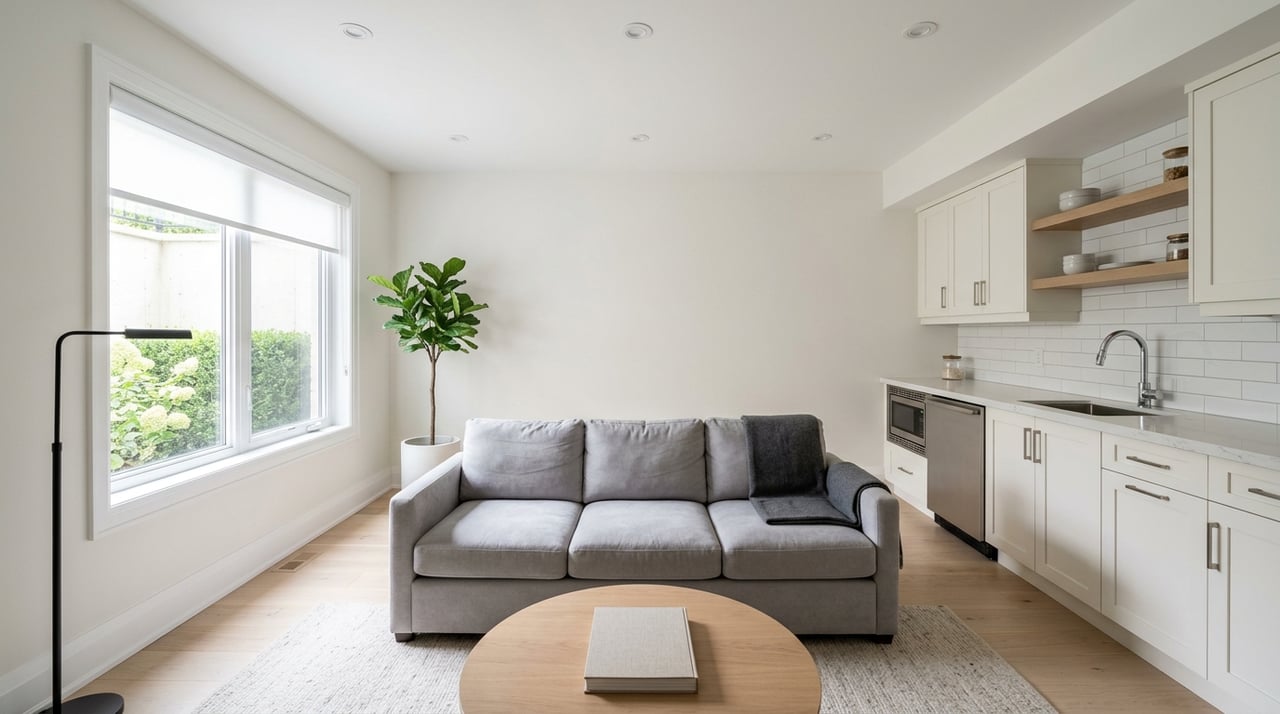
For many downsizers, condos offer the clearest path to a lower-maintenance lifestyle. If your goal is to spend less time on yard work, snow removal, and exterior upkeep, a condo can be a practical fit. That is especially true if you want to stay close to daily conveniences and local destinations.
Burlington’s Downtown Waterfront is a strong example of this appeal. The City describes the area as the heart of the city, with shopping, dining, cultural centres, residential neighbourhoods, a waterfront setting, Beachway Park, Spencer Smith Park, the Brant Street Pier, Discovery Landing, lakeside trails, and transit access on Routes 10 and 4. If walkability and easy access to amenities matter to you, downtown and lakefront condos are worth a closer look.
What You Actually Own in a Condo
A condo can simplify maintenance, but it also comes with a different ownership structure. According to the Condo Authority of Ontario, condo ownership involves shared ownership, common expenses, reserve funds, governance, and repair obligations. That means you usually trade some private responsibility for a shared system with rules and collective decision-making.
This is one of the biggest mindset shifts for downsizers. You may have fewer day-to-day home tasks, but you will also need to be comfortable with condo fees, board governance, and building policies. For some buyers, that is a welcome trade. For others, it feels too structured.
Low-Rise Condos and Condo Townhomes
If you like the idea of lower maintenance but do not want a high-rise feel, low-rise condos and condo townhomes may be a middle ground. They can offer a less vertical lifestyle while still reducing the full upkeep that comes with a freehold home. That can be appealing if you want easier living without feeling like you are moving into a very different housing style.
Still, these are condos. The same review points apply, including common expenses, reserve fund review, governing documents, and due diligence on the corporation. The lifestyle may feel more home-like, but the ownership framework is still shared.
What Burlington Condo Pricing Looks Like
In March 2026, Burlington townhouse and condo properties had a median sale price of $710,000 and an average sale price of $746,159. The segment also showed 44 days on market, 4.0 months of inventory, and an average sale-to-list ratio of 96.8%. That suggests moderate negotiation room, but not a market where buyers should expect steep discounts.
For downsizers, this is an important benchmark. A condo move in Burlington may still represent a meaningful purchase, but it usually sits well below the detached-home price range. That price gap is often one of the main reasons homeowners compare condos first when planning to simplify.
Key Condo Checks Before You Buy
If you are looking at a resale condo, the status certificate is one of the most important documents in the process. The Condo Authority of Ontario says it contains important information about the unit and the condo corporation, should be reviewed with legal counsel, must be provided within 10 days, and can cost up to $100.
If you are considering pre-construction, the CAO says buyers receive a 10-day cooling-off period after the agreement, disclosure statement, and guide are delivered. That gives you a short but important window to review the details. In either case, condo due diligence should be a central part of your downsizing plan, not an afterthought.
Bungalow-Style Homes in Burlington
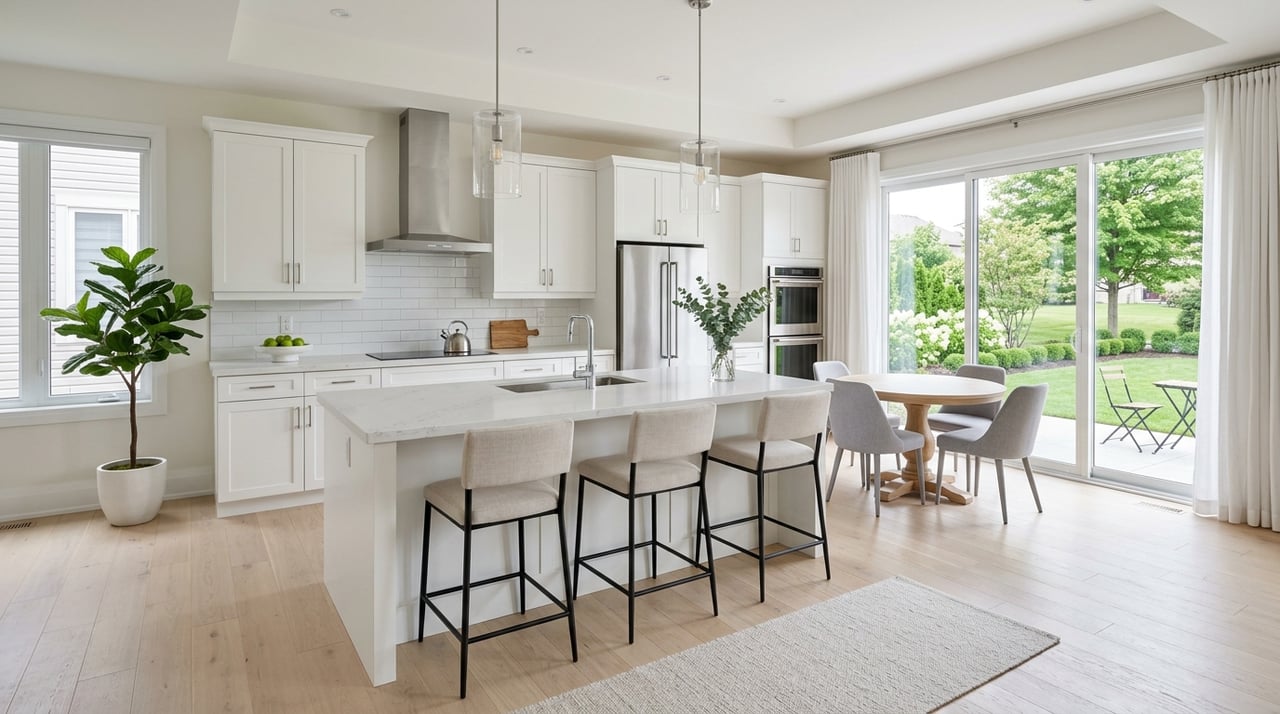
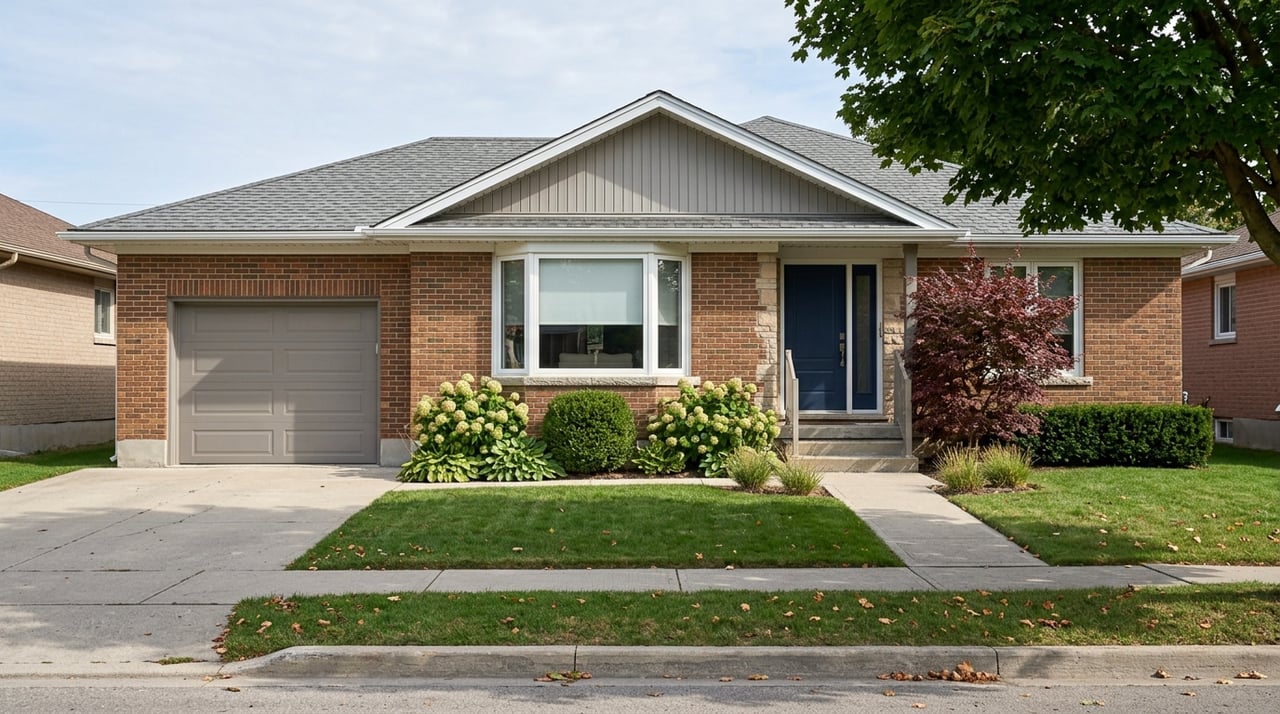
Bungalows attract downsizers for a simple reason: they can make daily living easier. With main living areas on one level, they reduce stair use and can feel more manageable over time. If your priority is staying in a detached home while simplifying your layout, a bungalow-style property may be your ideal fit.
That said, it helps to go in with realistic expectations. Burlington does not publish an official bungalow-only price series in the sources reviewed for this report, so detached-home data is the best available proxy for bungalow budgeting. In practice, that means bungalow shopping should be treated as part of the broader freehold market.
Freehold Budget Reality
In March 2026, Burlington single-family homes had a median sale price of $1.28 million and an average sale price of $1.4256 million. They also averaged 33 days on market, with 2.5 months of inventory and a 97.6% sale-to-list ratio. Compared with the condo segment, detached homes were more expensive and had slightly tighter market conditions.
This is one of the biggest takeaways for downsizers. If you want stair-free living in a detached format, you are usually not moving into a condo budget. You are moving into a freehold budget, and in Burlington that is a very different price conversation.
What You Gain and What You Keep
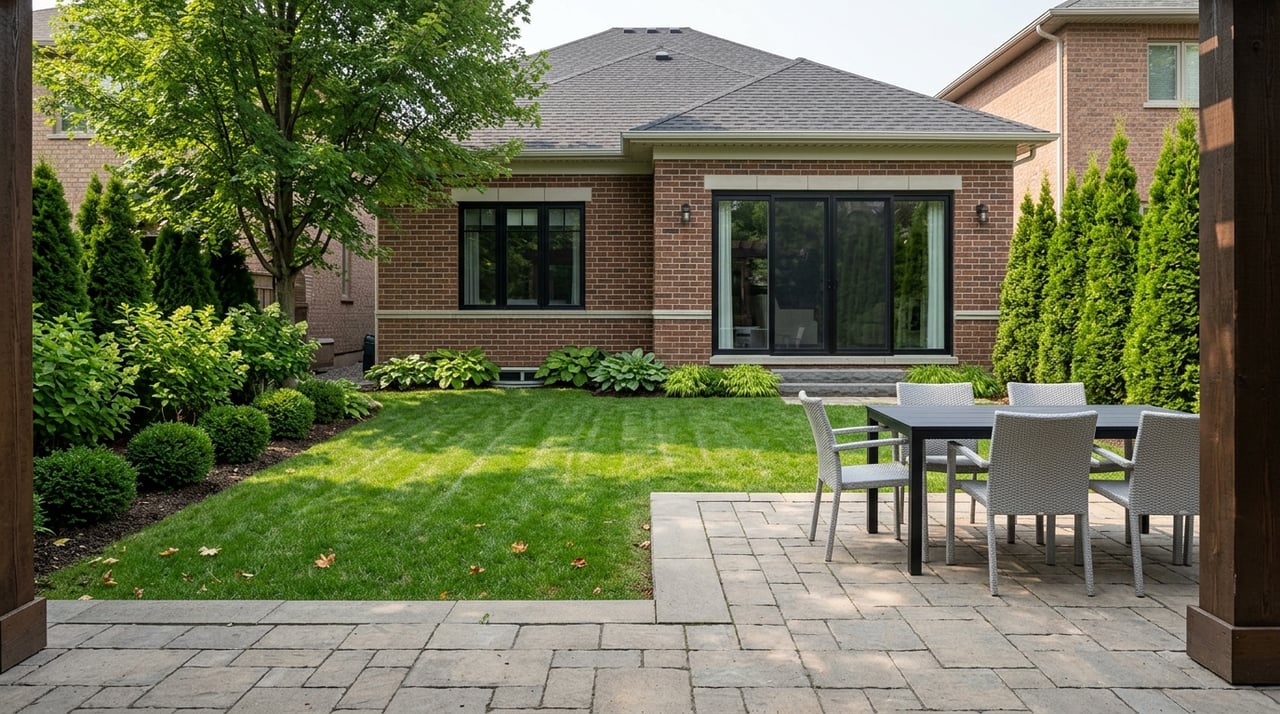
A bungalow can offer privacy, outdoor space, and one-level living. It may also feel more familiar if you are not ready for shared walls, condo rules, or building governance. For many homeowners, that familiarity has real value.
But a bungalow does not remove ownership responsibilities in the same way a condo can. You are still directly responsible for upkeep, maintenance, and repair planning. So while you may reduce stairs, you are not automatically reducing the work that comes with owning a home.
Condo vs Bungalow: The Main Trade-Offs
When downsizers compare these two paths, the decision usually comes down to lifestyle, budget, and maintenance.
Here is the simplest way to frame it:
- Condo: Lower day-to-day maintenance, shared expenses, shared governance, and generally a lower purchase price than detached homes in Burlington.
- Bungalow: One-level living in a detached format, more privacy and independence, but a higher purchase budget and more direct upkeep responsibility.
Neither option is automatically better. The better fit depends on what matters most to you now and what you want your next five to ten years to look like.
Budgeting Beyond the Purchase Price
Downsizing is not only about comparing sale prices. You also need to look at closing costs and ownership structure. One cost that can change quickly between property types is Ontario land transfer tax.
Using Ontario’s land transfer tax rates, a $700,000 resale purchase implies about $10,475 in provincial land transfer tax. A $1.25 million resale purchase implies about $21,475. If you are deciding between a condo and a bungalow-style home, that difference is large enough to discuss early in your planning.
This is why a downsizing budget should go beyond a headline number. A home that seems manageable at first glance may feel very different once you include tax, carrying costs, and the expected upkeep tied to the property type.
Timing Your Downsizing Move
If your move is still 12 to 24 months away, that is not too early. In fact, it can be the ideal time to plan carefully. A longer runway gives you space to compare property types, review financing, and decide whether your current home should be sold first or later in the process.
CMHC notes that offers can be conditional on mortgage approval or a home inspection, and that closing and possession dates are usually 30 to 90 days from the agreement date. That means your early planning stage is less about rushing into the market and more about creating clarity before you need to act.
Sell First or Buy First?
For many downsizers, this is one of the biggest strategic decisions. In general, selling first is often the lower-risk route because it gives you budget certainty. You know what your home sold for, how much equity you have available, and what price range is truly comfortable.
Buying first can work, but usually only when the financing side is clearly lined up. Research in this report notes that bridge financing is temporary financing used to bridge the gap between sale and purchase, and that it generally requires a firm sale agreement on your current home. It is often short term, commonly up to 90 days.
A Practical Downsizing Sequence
If you are planning a Burlington move, this step-by-step approach can help:
- Confirm your borrowing power and overall budget.
- Decide whether a condo or detached bungalow-style path fits your goals better.
- Compare condos by fees, rules, reserve funds, and status certificates.
- Compare detached homes by layout, maintenance needs, and renovation scope.
- Build a timeline around your preferred sale and purchase sequence.
This kind of preparation can reduce stress and help you move with more confidence when the timing is right.
How to Choose the Right Fit
If you value walkability, lower upkeep, and a more lock-and-leave lifestyle, a Burlington condo may be the better match. This is especially true if you are drawn to areas near the downtown waterfront and want amenities close at hand. The condo path can be a practical choice for homeowners focused on convenience and simplicity.
If you want one-level living but are not ready to give up detached ownership, a bungalow may be worth the higher budget. It can offer comfort and independence, but it usually comes with more maintenance and fewer available options. In Burlington, that trade-off should be weighed carefully before you start touring homes.
The best downsizing move is not the one that looks best on paper alone. It is the one that supports your budget, your daily routine, and the kind of ownership experience you actually want.
If you are weighing condo and bungalow options in Burlington, the Wang Team can help you build a practical plan, understand your home’s value, and map out the next step with confidence.
FAQs
What is the price difference between Burlington condos and bungalows?
- Burlington does not publish a bungalow-only price series in the sources reviewed here, so detached-home data is the best proxy. In March 2026, Burlington townhouse and condo properties had a median sale price of $710,000, while single-family homes had a median sale price of $1.28 million.
What should Burlington downsizers review before buying a condo?
- For a resale condo, the status certificate is a key document because it includes important information about the unit and condo corporation. Buyers should also review common expenses, reserve funds, governing documents, and building rules with the right professional support.
Are bungalows in Burlington easier to manage than two-storey homes?
- Bungalows can make daily living easier because they reduce stair use and keep main living spaces on one level. However, they are still freehold homes, so you remain directly responsible for maintenance and upkeep.
Is downtown Burlington a good area for condo downsizers?
- Downtown Burlington can appeal to downsizers who want low-maintenance living near amenities. The City highlights the Downtown Waterfront for its parks, trails, cultural destinations, shopping, dining, and transit access.
Should Burlington downsizers sell first or buy first?
- Selling first is often the lower-risk option for budget certainty. Buying first can make sense when your current home is already firm-sold or short-term bridge financing is clearly arranged.